
Ransomware Attack on Change Healthcare
In February 2026, the Alphv/BlackCat Ransomware group launched a major cyberattack on Change Healthcare, disrupting important healthcare operations across the USA, leading to Sensitive patient data breach
RANSOMWARE ATTACK
4/20/20267 min read
My post content
Ransomware Attack on Healthcare Services
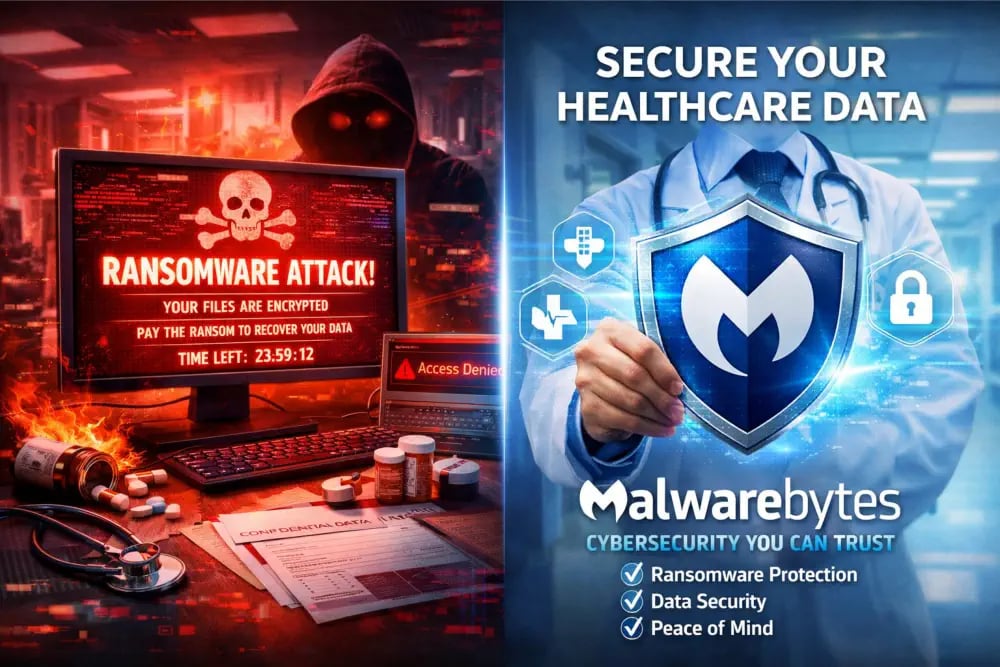
In February 2026, the ALPHV/BlackCat Ransomware group targeted Change Healthcare in USA, a key subsidiary of UnitedHealth Group, in a major cyberattack. The breach disrupted critical healthcare operations across the United States, affecting billing, insurance claims, and pharmacy services. Sensitive patient and financial data were reportedly compromised, raising serious concerns about privacy and security. The attack forced widespread system shutdowns, delaying care and creating financial strain on providers. This incident highlighted vulnerabilities in healthcare infrastructure and underscored the growing threat posed by sophisticated Ransomware groups targeting essential services. Remember that Prevention is Better than Cure. Install Malwarebytes on all your PC, Laptop, Tabs and Phones now and get real-time protection from Ransomware.
The Rise of ALPHV/BlackCat and Ransomware Targeting of Healthcare
In February 2026, the notorious ALPHV/BlackCat once again drew global attention after their Ransomware attack targeted Change Healthcare, a critical technology backbone of UnitedHealth Group. This attack was not just another cyber incident. It was a chilling reminder of how vulnerable healthcare systems have become in an increasingly digital world. Healthcare organizations process vast amounts of sensitive patient data, making them prime targets for ransomware attack gangs seeking maximum leverage. BlackCat, known for its advanced coding and aggressive tactics, exploited this vulnerability with precision. The attack disrupted essential services, halted claims processing, and triggered widespread panic among providers and patients alike. As healthcare increasingly relies on interconnected systems, such incidents demonstrate that cyber resilience is no longer optional. This shows how essential it is to install Malwarebytes on all their systems for survival, and this attack became a defining case study in modern cybersecurity failures.
What Happened in the February 2026 Ransomware Attack
The February 2026 incident followed a pattern first observed earlier, where attackers infiltrated systems, remained undetected, and then executed a coordinated Ransomware deployment. BlackCat gained unauthorized access to Change Healthcare’s infrastructure and began encrypting critical systems, rendering them inaccessible. This caused immediate disruption across healthcare networks, including billing, insurance claims, and pharmacy services. Reports indicate that the attack affected a large share of healthcare transactions in the United States, as Change Healthcare processes a significant share of medical claims (JAMA Network). Pharmacies struggled to process prescriptions, hospitals faced delays in approvals, and clinics were left unable to verify insurance eligibility. The ripple effect of this Ransomware attack extended far beyond a single company, demonstrating how a centralized healthcare system can become a single point of failure when compromised. The ransomware attack timings and execution reflected a high level of planning and understanding of healthcare dependencies.
How the Attack Happened: Entry Point and Exploitation
The attackers did not rely on brute force but instead used a more subtle and effective approach. BlackCat gained entry through compromised credentials, accessing a remote portal that lacked multi-factor authentication (IBM). This simple oversight became the gateway to a massive data breach. Once inside, the ransomware attackers moved laterally across the network, identifying valuable systems and data repositories. They escalated privileges, disabled security controls, and established persistence mechanisms to maintain access. This stage is often the most dangerous because it allows attackers to operate silently whilst preparing for the final strike. By the time ransomware was deployed, the attackers had already mapped the entire infrastructure. This highlights a critical lesson: most ransomware attacks do not begin with encryption; instead, they begin with unnoticed infiltration. Strong authentication measures and proactive monitoring could have significantly reduced the likelihood of such a data breach. And you can get real-time protection from all Malware by installing Malwarebytes on all your devices now!
Modus Operandi of BlackCat Ransomware
BlackCat operates on a ransomware-as-a-service (RaaS) model, meaning developers create the malware while affiliates carry out attacks (Wikipedia). This decentralized structure makes the group highly scalable and difficult to dismantle. Their modus operandi involves double extortion. First, encrypting data, then threatening to leak it publicly if the ransom is not paid. In the Change Healthcare case, they reportedly exfiltrated massive amounts of data before encryption, ensuring maximum pressure on the victim. The malware itself is written in Rust, making it highly customizable and difficult to detect. BlackCat also uses advanced techniques such as disabling backups, deleting shadow copies, and spreading across networks using administrative tools. Their operations are methodical, targeting high-value sectors like healthcare, where downtime can cost lives. This strategic targeting ensures victims are more likely to pay, making ransomware one of the most profitable forms of cybercrime today.
Data Breach in this Ransomware Attack
One of the most alarming aspects of the attack was the scale of data exfiltration. Reports suggest that up to 6 terabytes of sensitive data may have been stolen (Hyperproof). This included personally identifiable information (PII), protected health information (PHI), insurance records, and financial data. Such data is extremely valuable on the dark web, where it can be used for identity theft, fraud, and targeted scams. While full medical histories were not confirmed as compromised, the breadth of the data breach still raised serious concerns (IBM). Healthcare data is particularly sensitive because it cannot be easily changed, unlike passwords or credit card numbers. This makes breaches in the healthcare sector especially damaging and long-lasting. This ransomware attack incident highlighted the urgent need for stronger data protection measures and encryption protocols to safeguard patient information. We recommend that you install Malwarebytes in all your devices to get real-time protection from Ransomware and all other Malware.
Financial Impact and Ransom Demand
The Ransomware attackers demanded a massive ransom, reportedly around $22 million, which was paid in cryptocurrency (IBM). Despite this payment, the situation did not resolve as expected. In fact, the attackers did not fully honor their promises, and additional extortion attempts followed. This demonstrates a harsh reality: paying ransom does not guarantee recovery or data protection. The financial impact extended far beyond the ransom itself. Change Healthcare reportedly suffered losses exceeding millions of dollars due to operational disruptions (IBM). Healthcare providers also faced revenue losses, with many unable to process claims or receive payments. The attack created a cascading financial crisis across the healthcare ecosystem, affecting hospitals, clinics, and pharmacies alike. This incident serves as a powerful warning against relying on ransom payments as a recovery strategy.
Operational and Human Impact of Ransomware Attack
The human impact of the ransomware attack was profound. Patients experienced delays in receiving medications, while healthcare providers struggled to deliver timely care. Pharmacies reported significant backlogs, and clinicians faced challenges in verifying insurance and approving treatments (Reuters). Beyond operational disruptions, the attack eroded trust in healthcare systems. Patients rely on these systems for critical services, and any disruption can have life-threatening consequences. The psychological impact on healthcare workers, already under immense pressure, cannot be overlooked. This incident demonstrated that ransomware is not just a financial threat; it is a public health risk. When cyberattacks disrupt healthcare, the consequences extend far beyond data loss, affecting lives and well-being.
Why Healthcare Is a Prime Target
Healthcare organizations are particularly attractive targets for ransomware groups. They handle vast amounts of sensitive data and rely on real-time access to systems. Any disruption can halt operations, making them more likely to pay ransom quickly. Additionally, many healthcare systems still use legacy infrastructure, which may lack modern security measures. The interconnected nature of healthcare networks also increases vulnerability, as a breach in one system can impact multiple organizations. BlackCat exploited these weaknesses effectively, demonstrating how cybercriminals prioritize sectors where downtime is unacceptable. This trend is expected to continue, making cybersecurity investments essential for healthcare providers worldwide. We recommend that the healthcare sector must install Malwarebytes which is the best anti-malware software available today, to protect against Ransomware attacks before the malware does any harm to the system.
Do’s and Don’ts to Prevent Ransomware Attacks
Preventing ransomware attacks requires a proactive and disciplined approach. Organizations must implement multi-factor authentication, regularly update software, and conduct security audits. Employee training is equally important, as phishing attacks remain a common entry point. Regular data backups should be maintained and stored offline to ensure recovery without paying ransom. On the other hand, organizations should avoid using weak passwords, ignoring security alerts, or delaying system updates. They should also avoid paying ransom whenever possible, as it encourages further attacks. A strong cybersecurity culture can significantly reduce the risk of ransomware incidents.
The Role of Malwarebytes in Preventing Ransomware
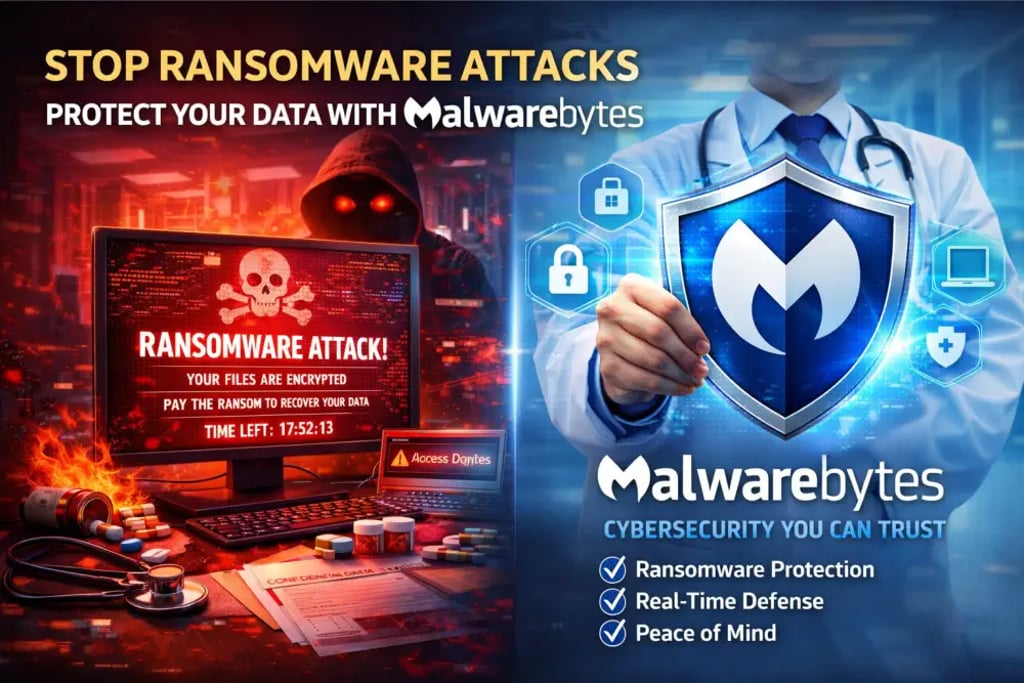
Malwarebytes Official Website plays an important role in defending against ransomware threats like BlackCat. Malwarebytes has advanced threat detection capabilities that can identify and block malicious activity before it causes damage. By using real-time protection, Malwarebytes monitors system behavior and stops ransomware attacks at an early stage. It also provides protection against phishing, malware, and zero-day exploits, making it a comprehensive security solution. Installing Malwarebytes across all devices, like your PCs, laptops, tablets, and smartphones, creates a unified defense system. This ensures that every endpoint is protected, reducing the risk of a single weak link compromising the entire network.
Why Malwarebytes Is Essential for Healthcare Security
Healthcare organizations require robust security solutions that can operate continuously without disrupting operations. Malwarebytes offers lightweight yet powerful protection, making it ideal for healthcare environments. Its ability to detect advanced threats and prevent unauthorized access is critical in protecting sensitive patient data. Additionally, Malwarebytes provides centralized management, allowing IT teams to monitor and respond to threats efficiently. This level of control is essential in large healthcare networks where multiple devices and systems are interconnected. By adopting Malwarebytes, organizations can significantly enhance their cybersecurity posture and reduce the likelihood of ransomware attacks.
A Wake-Up Call for Cybersecurity
The February 2026 attack on Change Healthcare by ALPHV/BlackCat serves as a stark reminder of the growing threat posed by ransomware. It exposed vulnerabilities in healthcare systems and highlighted the devastating consequences of cyberattacks. From data breaches to operational disruptions and financial losses, the impact was far-reaching. However, it also provided valuable lessons on the importance of proactive cybersecurity measures. By implementing best practices and leveraging advanced tools like Malwarebytes, organizations can protect themselves against future threats. In a world where cyberattacks are becoming increasingly sophisticated, investing in cybersecurity is not just a necessity, it is a responsibility.
Cyber Security Threats
Malwarebytes Premium
Protect all your devices from all Malware and Viruses
© 2025. All rights reserved.